Humanitarian access and the role of local organisations

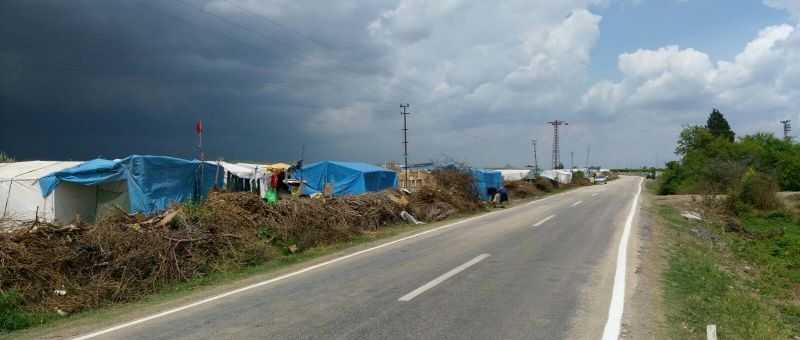
As the formal humanitarian sector works to develop more meaningful partnerships with local organisations and communities, there is a need for international organisations to take a step back. As Eva Svoboda argues in this piece, this is because it is often local organisations and communities that have the access and networks to meet the needs…

Psychogeography, Safe Spaces, and LGBTQ Immigrant Experience: Reflections from the “At Home in The Village?” project

How can representations of local communities as particularly ‘hospitable’ and ‘welcoming’ spaces in fact obscure complex realities of exclusion? In this contribution to our Representations of Displacement series, Siobhán McGuirk explores the ways in which NGO and media reports have (mis)represented sexual minority refugees’ arrival in an "inclusive" community in the USA characterised by rainbow flag…

Giving Refugees a Voice? Looking Beyond ‘Refugee Stories’ 

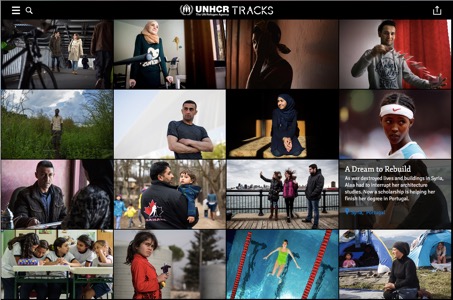
How does UNHCR narrate refugee stories through its official media? In this piece, Leonie Harsch adopts a critical approach, and builds on a number of important arguments put forward by researchers, to argue that the telling of 'refugee stories' by humanitarian organisations can sometimes result in exclusionary outcomes - this is especially the case when individual…

The Camp is the Reject of the Reject Par Excellence

The Camp is the Reject of the Reject Par Excellence by Yousif M. Qasmiyeh, University of Oxford and Refugee Hosts Writer in Residence   I It bears multiple meanings, depending on how it is said. For my mother, however, the meaning was clear enough to be taken from my father’s mouth to God’s and vice…

New Grant: Religion and the Promotion of Social Justice for Refugees

Religion and the Promotion of Social Justice for Refugees The Refugee Hosts team is honoured to have been awarded a Bridging Voices grant by the British Council-USA (generously funded by The Henry Luce Foundation) in collaboration with four US-based colleagues affiliated with the Program on Refugees, Forced Displacement, and Humanitarian Responses at Yale University. Led by…

Dehumanizing Refugees: Between Demonization and Idealization

Reflecting on her voluntary/volunteering work with refugees in Greece, in this piece Sarah El Sheikh highlights how people affected by displacement respond to and resist different narratives and policies developed about (and against) refugees. Echoing other contributions to our Representations of Displacement Series [ie. see here and here], Sarah argues that, in response to narratives that demonise…

Elena Fiddian-Qasmiyeh invited speaker at 2017 UNHCR High Commissioner’s Dialogue on Protection Challenges, Geneva

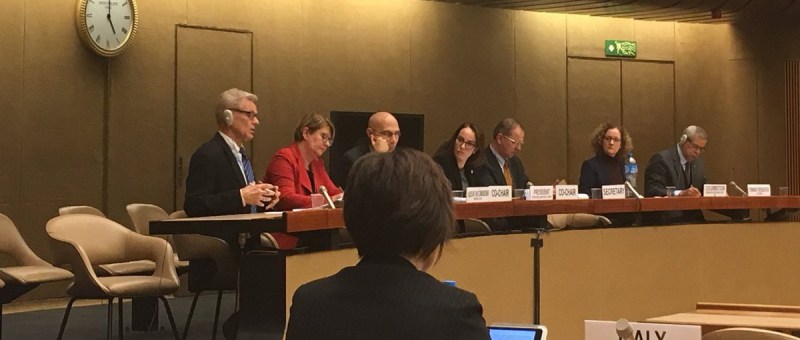
On Tuesday 12 December, Elena Fiddian-Qasmiyeh was invited to present insights from her research at the UNHCR High Commissioner's Dialogue on Protection Challenges. As one of four panelists discussing ‘Reception and Admission’, she spoke alongside H.E. Ambassador Mr. Boudjemâa Delm (Ambassador and Permanent Representative of Algeria to the United Nations), H.E. Ambassador Antje Leendertse (Ambassador…

New Blog Series: Contextualising the Localisation of Aid

Call for Submissions: Contextualising the Localisation of Aid Agenda (January 15th-March 25th) This call for submissions invites contributions that add to on-going debates about the ‘localisation of aid agenda’, encouraging in particular pieces that help to conceptualise and contextualise ‘the local’ in the context of responses to displacement in the global South: How is ‘the…

Protestimony

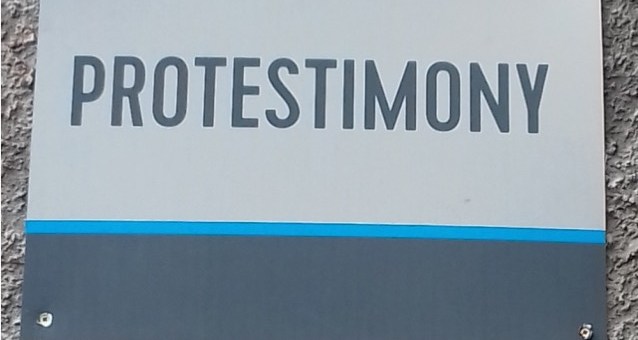
As part of her research into how humanitarianism has been changed by Calais, Hari Reed and collaborators, under the umbrella of the IMAGINE charity, have curated an exhibition called Protestimony, which was first shown at the Edinburgh Festival in August 2017. Here she showcases some of the images, questions and dilemmas of the show. Protestimony…

Widowhood, Displacement and Friendships in Jordan

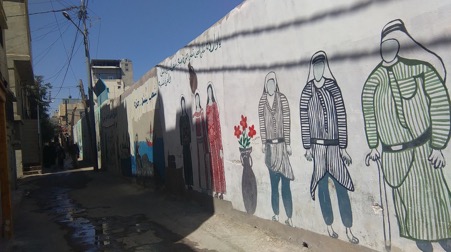
How do shared experiences of widowhood inform a sense of self and community among Palestinian and Syrian refugees living in Jordan? In this piece, Dina Zbeidy explores every-day lives in displacement, refugee-refugee relations, self-representation and spaces of refuge in Wihdat, a Palestinian camp east of Amman. In particular, she highlights the important social role that community spaces…