Refugee-led Humanitarianism in Lebanon’s Shatila Camp

Refugee-led humanitarian initiatives by ‘established’ Palestinian refugees in response to the arrival of ‘new’ displaced Syrians to Shatila camp raise key questions about the limitations of the humanitarian system and representations of refugees as passive victims, argues Hind Sharif, echoing and building on work published as part of Refugee Hosts. This piece, which was originally…

Sounds from Istiklal, Turkey

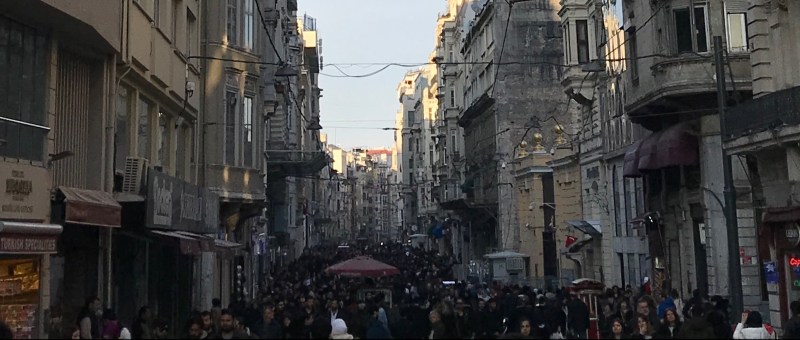
How are social processes of marginalisation and agency heard, as well as seen? Below you can listen to a recording of a refugee youth playing a melody on the busy street of Istiklal, Istanbul. Such soundscapes offer ways of analysing the social, economic and political dynamics that characterise spaces inhabited, shared and contested by and…

Learning from the Local in Greece

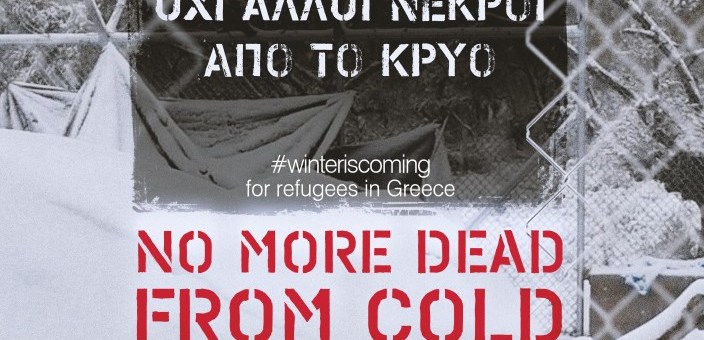
Making localisation work is about much more than ensuring local actors receive a greater share of the funding pie, argues Tina Mason (founder of re:viewed). In fact, the disconnect between the 'local' and the 'international' pervades all aspects of the humanitarian response: addressing this, and learning from the local, is therefore essential if localisation is to be meaningful…

Name

Name by Frances Timberlake, Refugee Women's Centre The name lands on the pavement slapped down like spilt water A person a body a name tumbling from this young boy's mouth like spilt water Like a splash from the Black Sea waters the man drowned in four months ago as the young boy sat watching with the…

When Local Faith Actors Meet Localisation

Efforts to bring local faith actors (LFAs) into the wider humanitarian apparatus have been a key aim of the localisation of aid agenda. In this piece, Olivia Wilkinson (Director of Research of Refugee Hosts' research partner, the Joint Learning Initiative on Local Faith Communities) argues that there is a need to ensure that such engagements provide space…

Belgian Refugees in Glasgow: Local Faith Communities, Hosting and the Great War

In this article Kieran Taylor reflects upon his research into Glasgow’s response to Belgian refugees within Scotland during the Great War. The article considers the role played by local government and faith groups in assisting refugees, offering a key historical perspective on some of the themes we are exploring through our Refugee Hosts research project.…

Winter 2017/18 Newsletter

Our Winter 2017/18 newsletter is now available to view online. This issue highlights our activities since September 2017, and the key milestones that lie ahead in 2018. These include the completion of our primary research in Lebanon and Jordan, including over 300 interviews with individuals affected by displacement, 18 focus groups and a series of…

A Successful Alternative to Refugee Camps: A Greek Squat Shames the EU and NGOs

In light of the limited hospitality offered to refugees and asylum seekers by European states,  local communities, volunteers, faith groups and activists have often acted as key providers of support and solidarity. In this piece, Zareena Grewal (Yale University) demonstrates the important role such local initiatives are playing in Athens and Lesbos, including in spaces such…

Does Faith-Based Aid Provision always Localise Aid?

Attempts to localise humanitarian responses have resulted in a growing awareness on the part of international actors of the opportunities that come from working with local faith communities (as explored on Refugee Hosts here, here and here). However, as Estella Carpi argues, there is a need to reflect on local contexts to ensure that engagements with…

Local Communities and the Localisation of Aid Agenda: Series Introduction

Local Communities and Contextualising the Localisation of Aid Agenda Series Introduction by Dr Elena Fiddian-Qasmiyeh, Refugee Hosts PI and UCL In recent years, and especially since the 2016 World Humanitarian Summit, the ‘localisation of aid agenda’ has become prominent in discussions about responses to displacement. This agenda starts by recognising that ‘local actors’ play key…